
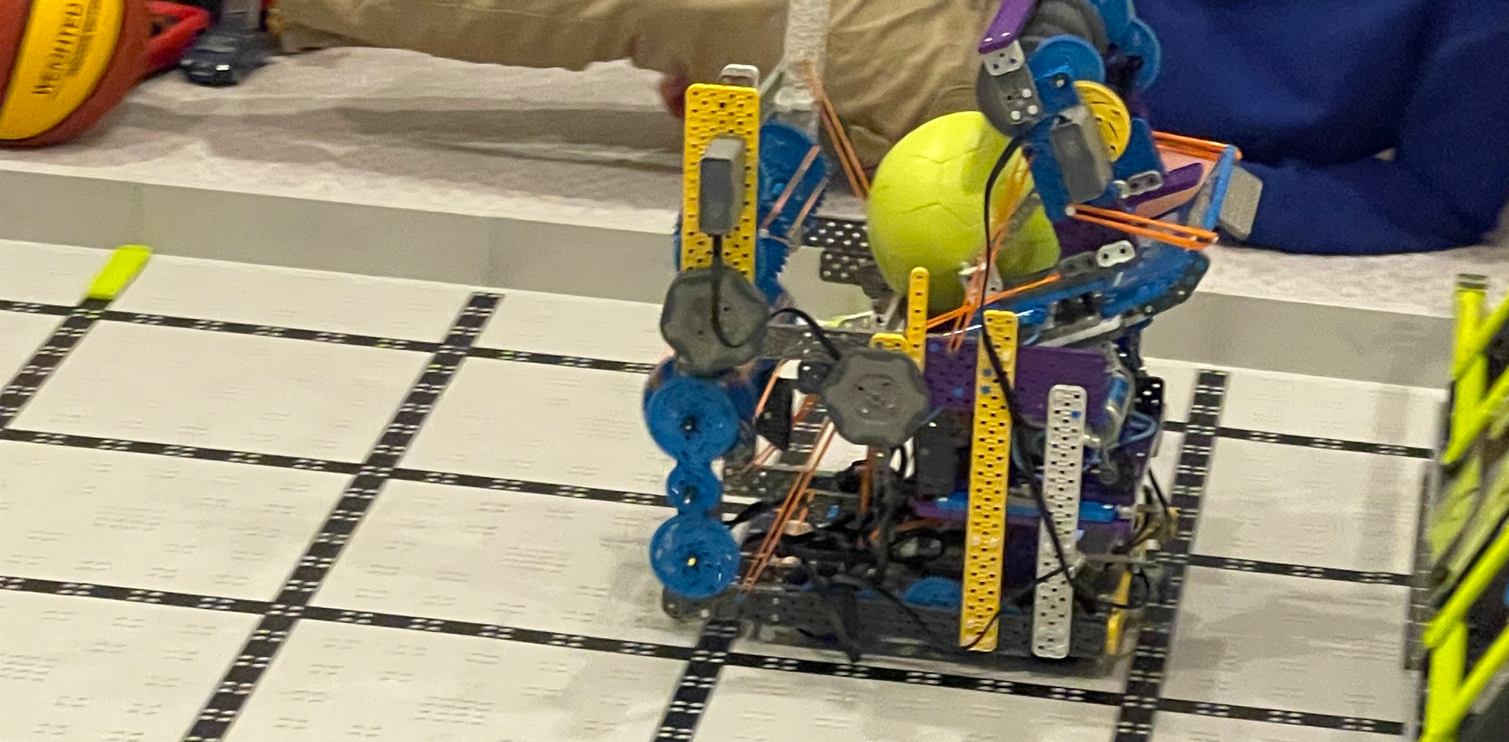
Before creating a robot—any robot—the best course of action is to thoroughly plan out each objective and correlated mechanism. This is because the foundation is what will be burdened with the most work. A robot with an unplanned drivetrain will only require more adjustments after other structures unveil problems. I knew that after a few months, our robot would be put up for the real test: official competitions against other robots. This—of course—meant that not only would I need to get this robot to be able to complete these tasks, but also be the best at doing these.
I think of robotics as an expression of novelty for the ability to create things that are capable of accomplishing things is one that is deeply embedded in engineering along with art. By taking instructions online and copying a robot just for convenience is something that I think directly violates my idea of creation. Another important thing to note is that any creation is only able to make as much of an impact as the originality that supports it: don’t polish Einstein’s statue. Carve your own, even if it’s rougher and smaller—at least the name on the pedestal will be yours.
The VEX IQ mission of this year was to launch a ball into many different targets above the ground. This was particularly hard because the ball was heavy and the motors that were supplied were limited to a lighter weight. This presented many challenges, so I had to redesign the robot and experiment with different ways of launching the ball into the air. During this process, I also had to keep in mind that there were boundaries on motor use and the robot had specified limits for the dimensions.
Not only were there difficulties while designing the robot, but there were also other things that prevented me from achieving the full potential: school work, limited pieces, and time restrictions due to extracurricular activities. After creating a working base for the robot and adding the mechanisms, I had to tinker with the robot to make it the most effective version possible. Some important changes would be adding supports, making the robot smaller, and getting rid of unnecessary parts. Every extra point I can earn from completing the tasks could be the tie breaker that distinguishes our design.
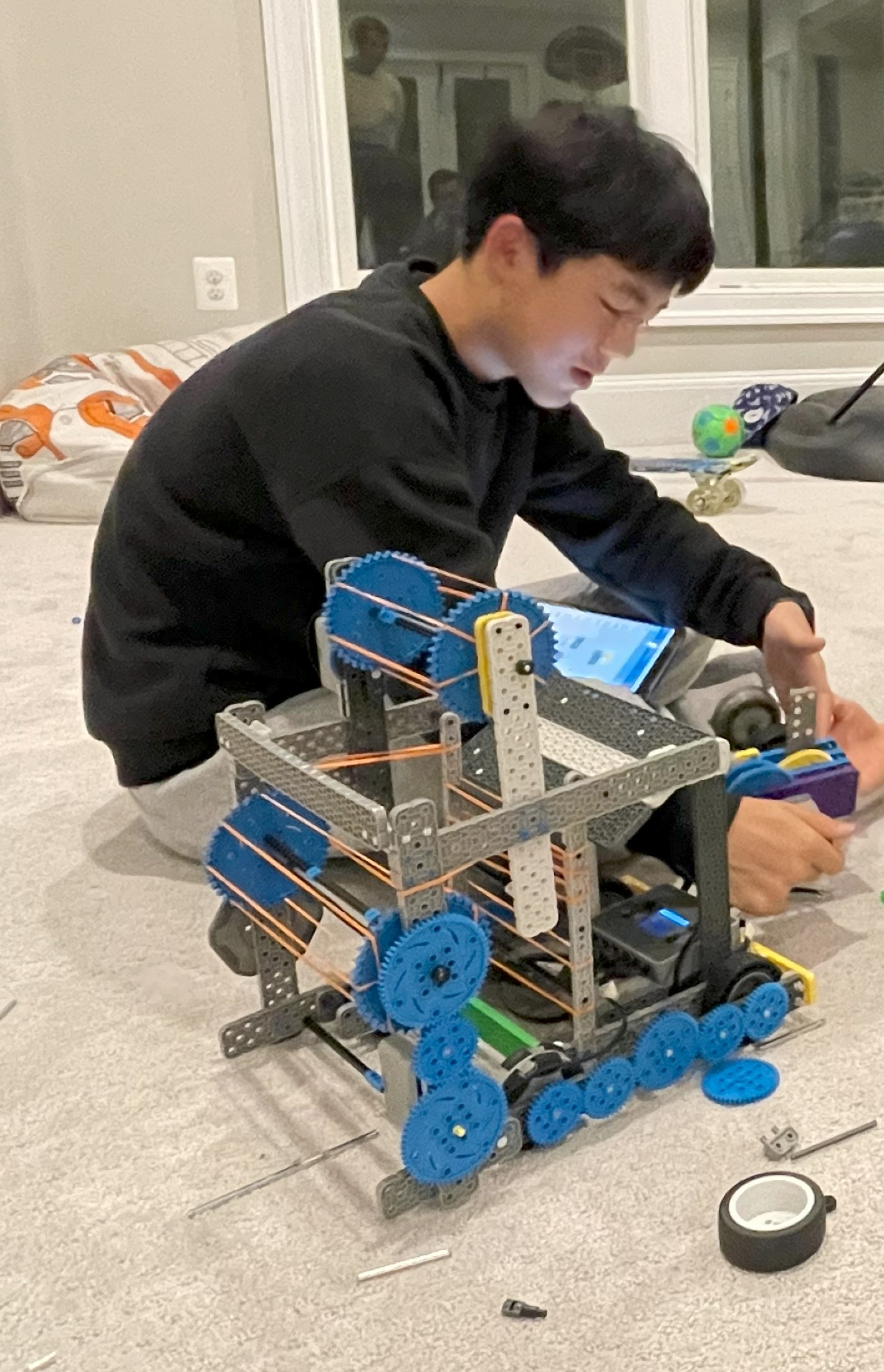
Creating the software also had hurdles. Some glitches in the code could not be solved due to the limited capacity of the robot. Taking inspiration from other robots helped my robot become better and improve, but having the motivation and determination not only boosted our progression, but also helped me learn valuable lessons from this experience and creation.
I hope to expand further than just plastic gears and beams. I see this project as the base camp at the foot of Mount Everest.
